



LEGO® Education https://youtu.be/fdqoZ-jIILk?si=mgn03di7ceWtR9cm
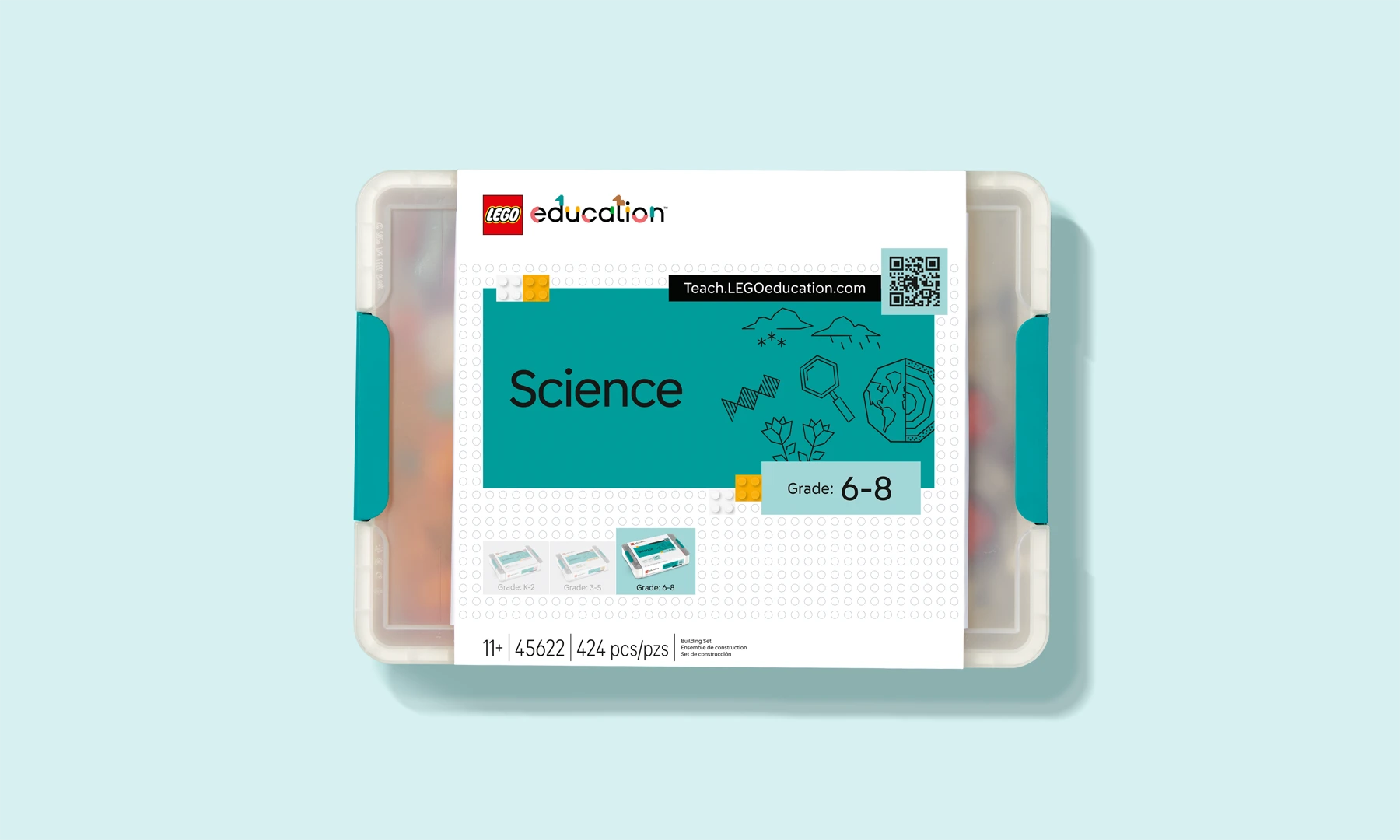
Science 6-8
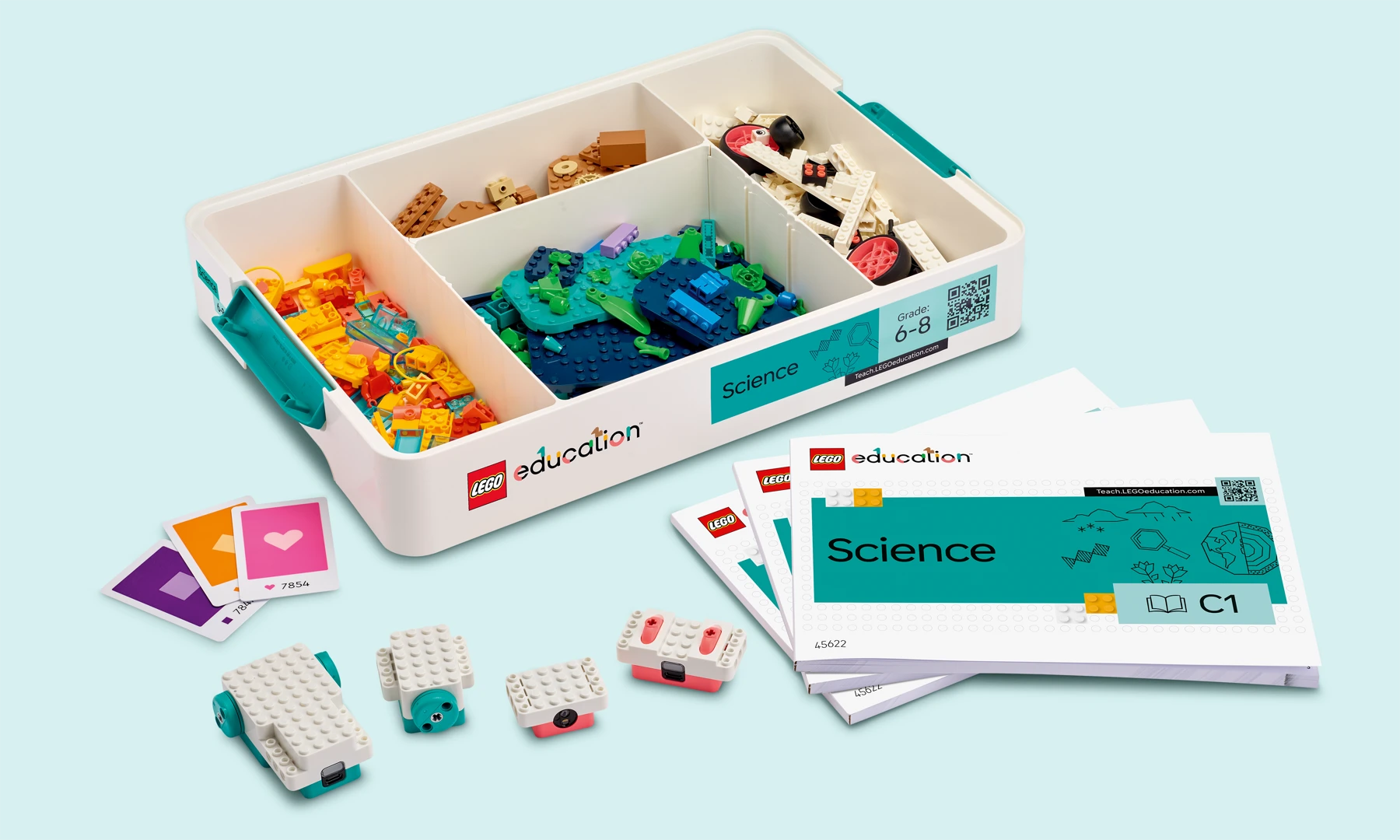
Dive into hands-on science inquiry with a ready-to-use kit including 40 NGSS and local standards-aligned lessons and supplies for four students.
 Teach with LEGO® Education
Science
 Teach with LEGO® Education
Ready for your students to be engaged, to explore and experience ‘aha’ moments? Learn more below!

Inside the Kits
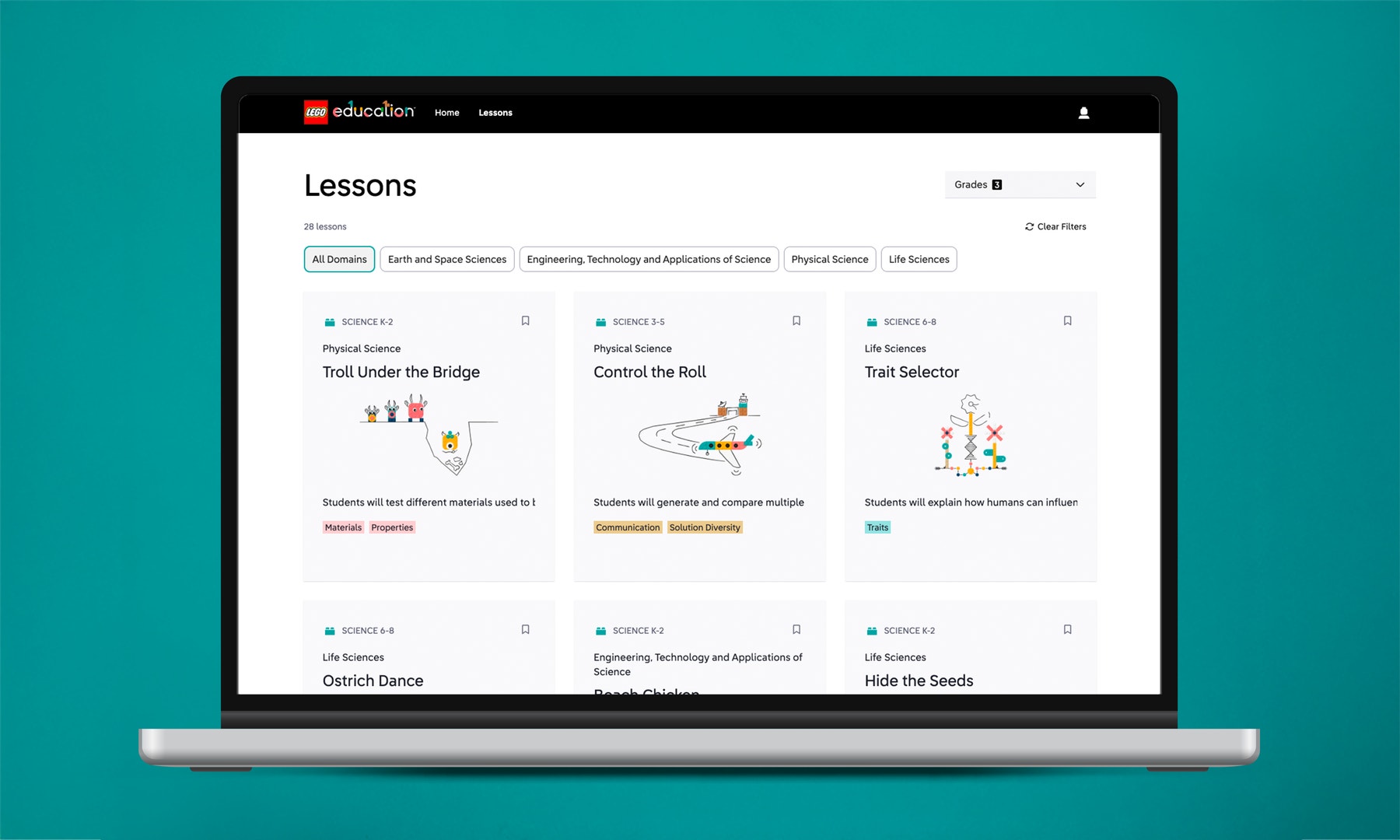
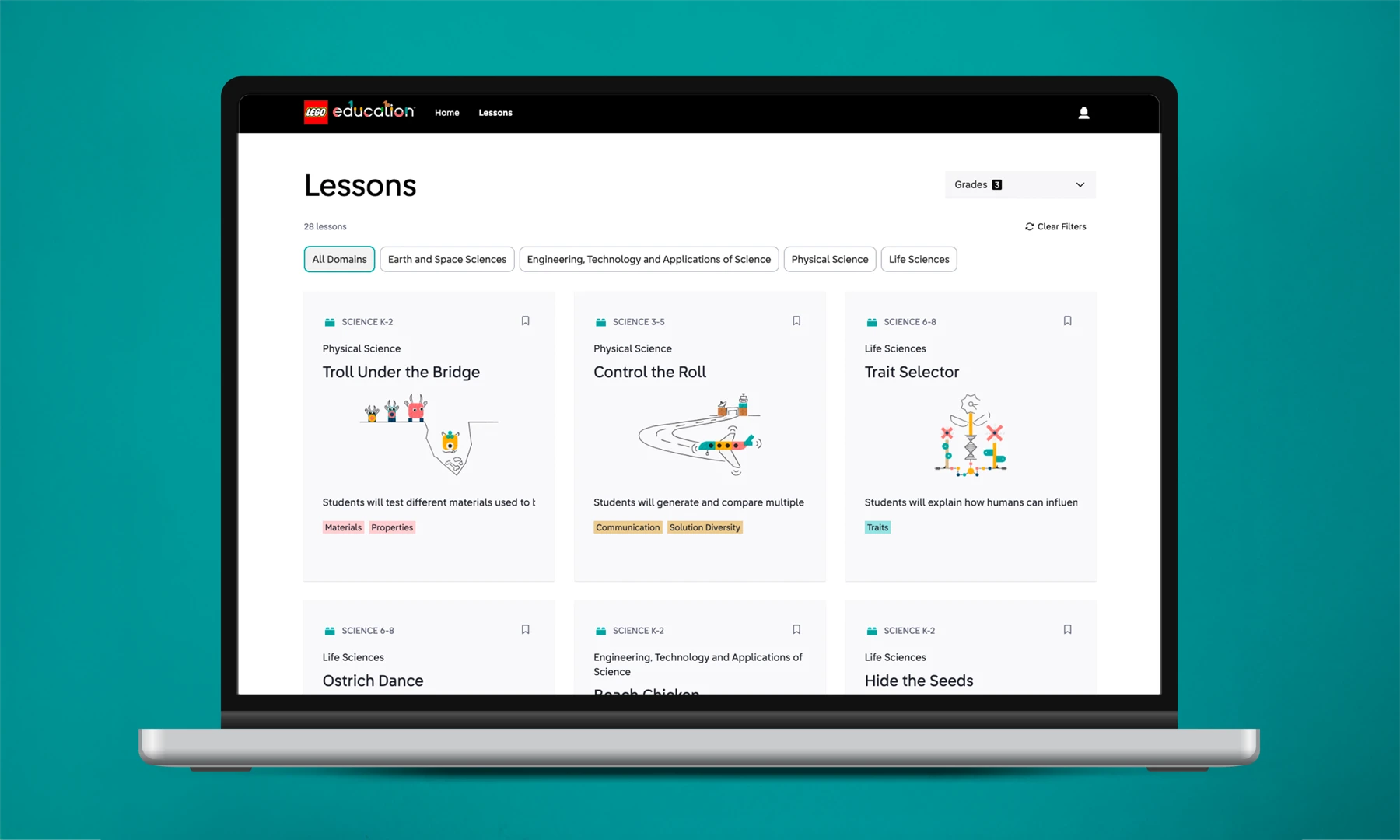
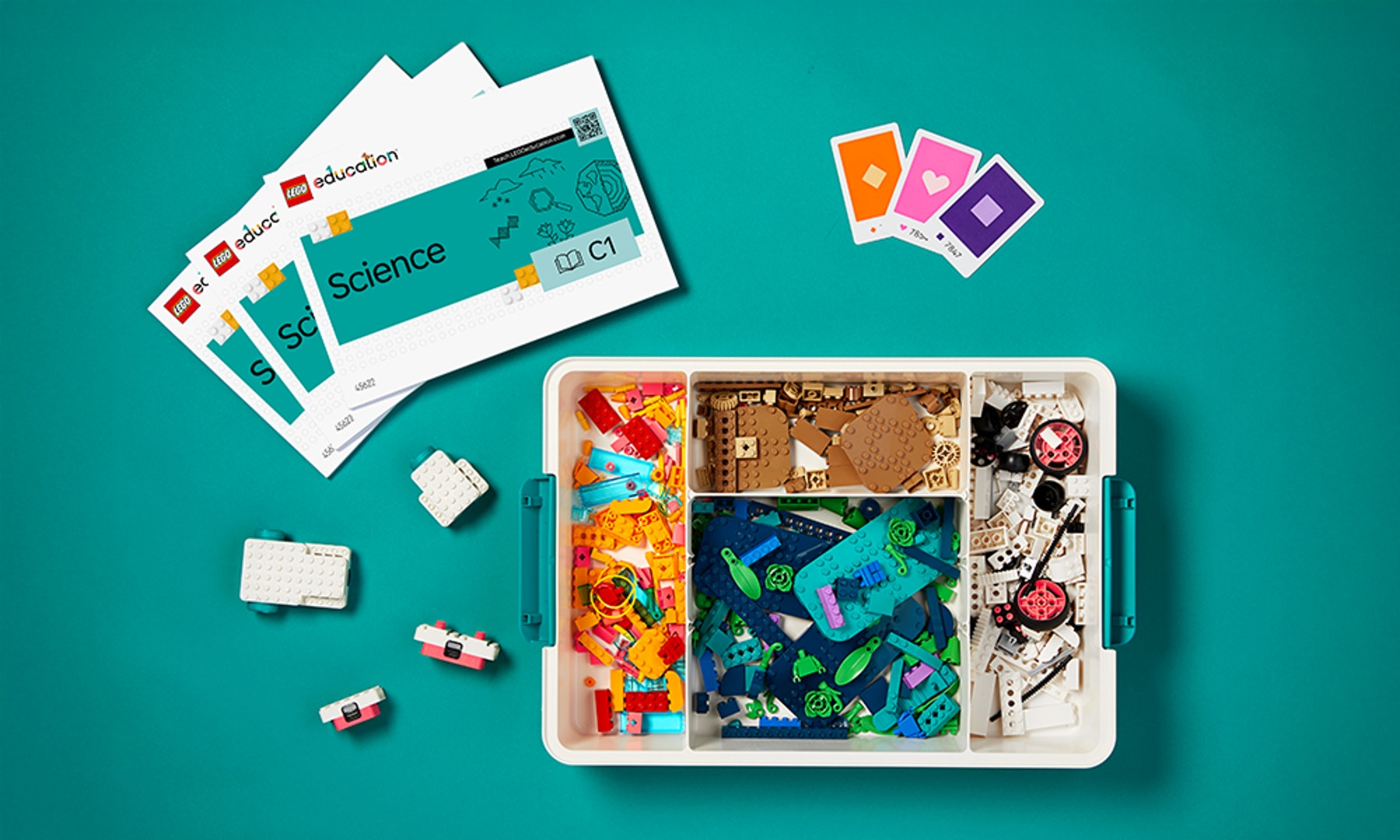
The full LEGO® Education learning adventure with 40 lessons
- Life Science
- Physical Science
- Engineering Design
- Earth and Space Science
How it works
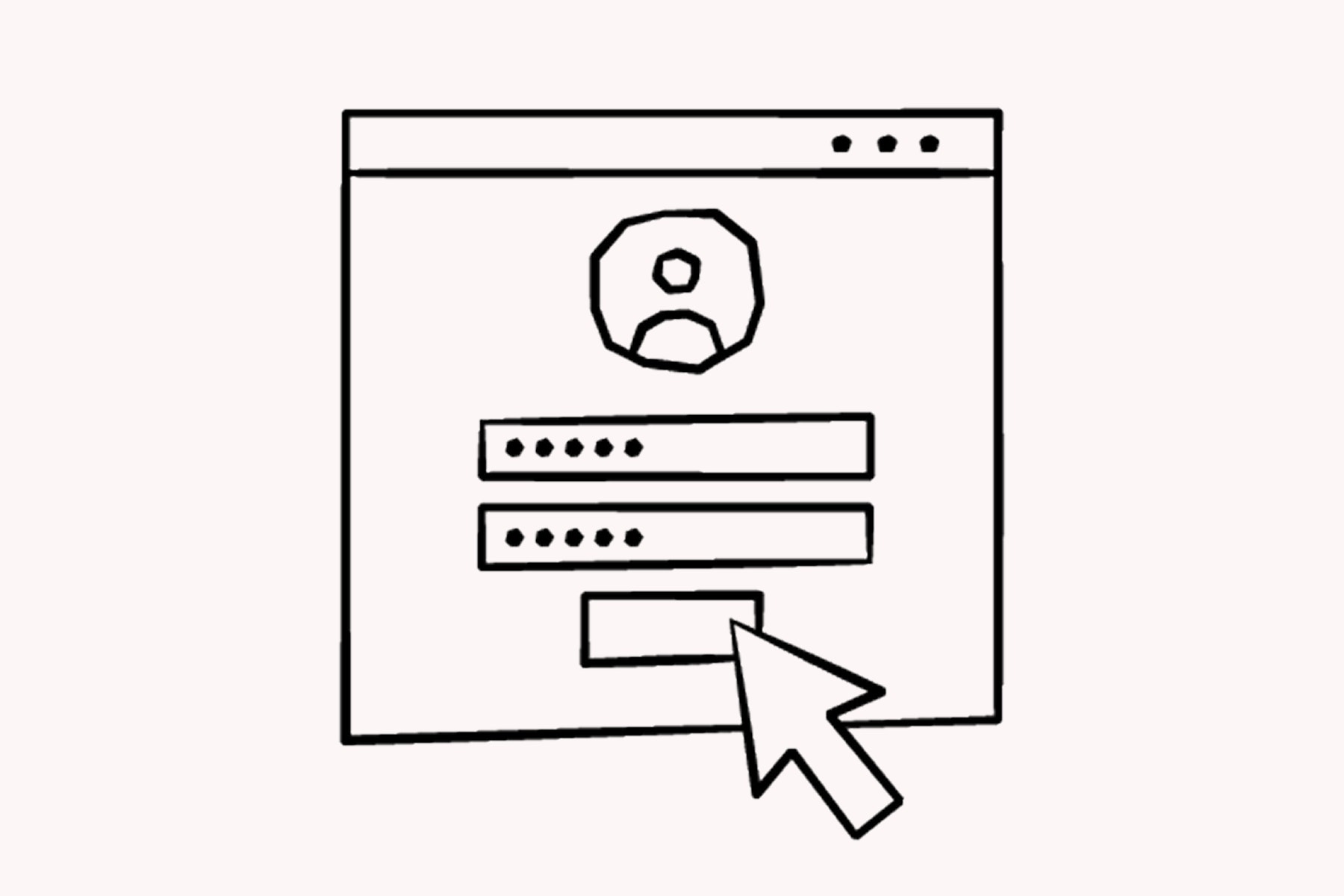
Science 6-8Physical Science
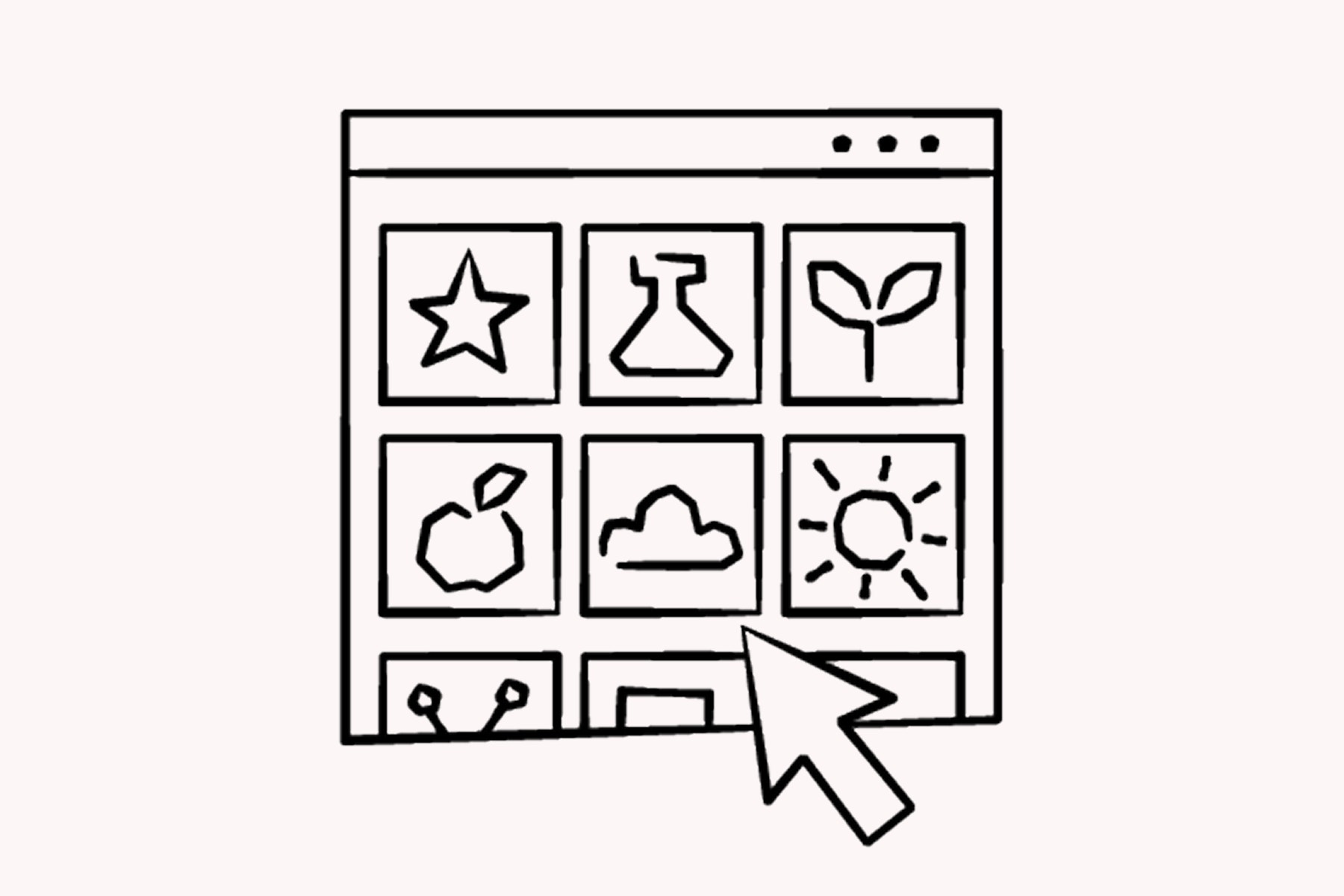
Find a relevant lesson within any of the core science domains: Physical Science, Life Science, Earth and Space Science, and Engineering Design.
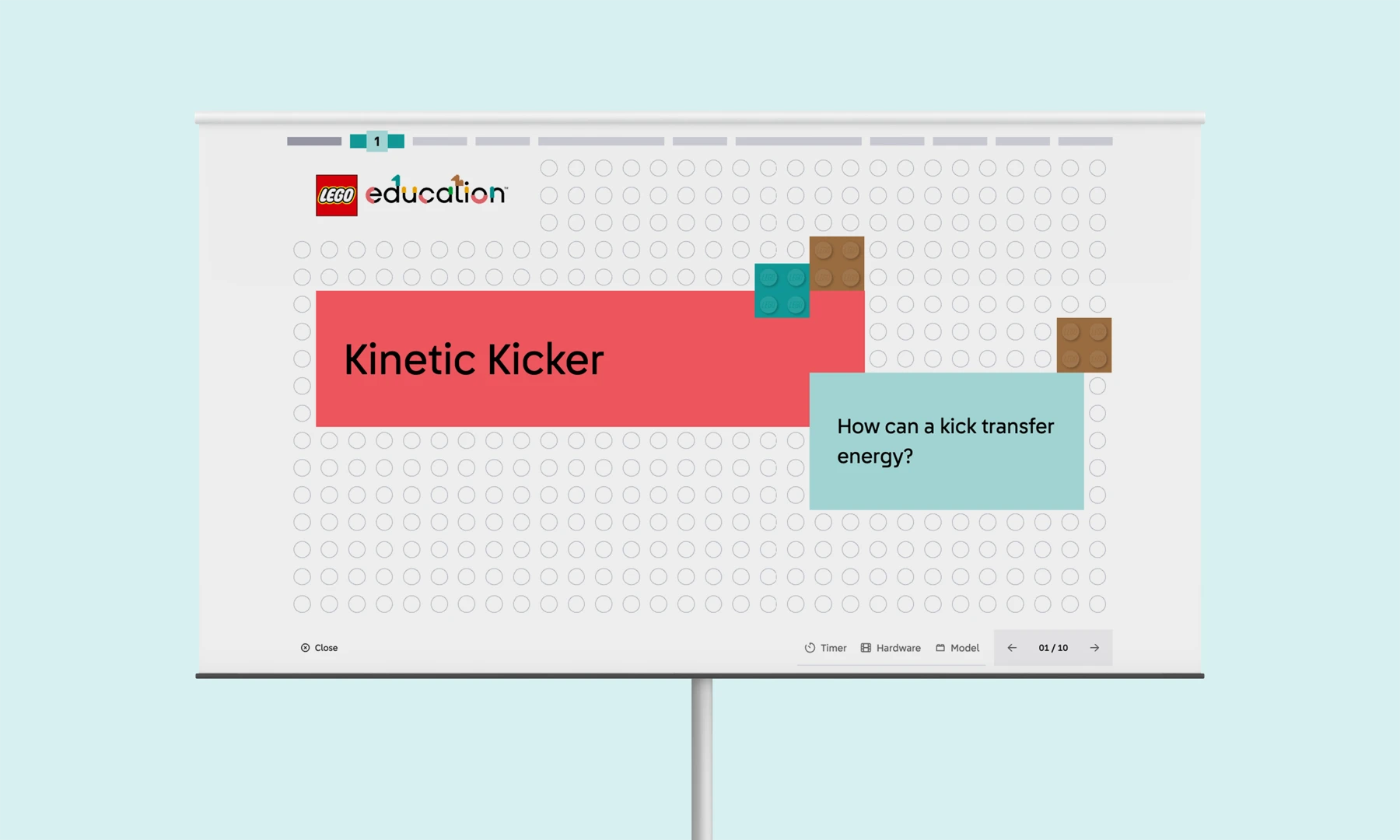
Push Power
How does an object react to a push?
Lesson Objective
Students will apply Newton’s third law to design a solution to a problem.
Push Power
Students will apply Newton’s third law to design a solution to a problem.
I can describe the parts of an experiment using Newton’s third law.
I can apply the principles of Newton’s third law to solve a given problem.
I can describe the physical properties of the components in my system and relate this to the experiment.
This lesson uses the hardware, so make sure it is fully charged.
If time allows, you might want to try this experiment before facilitating it to anticipate necessary support for students.
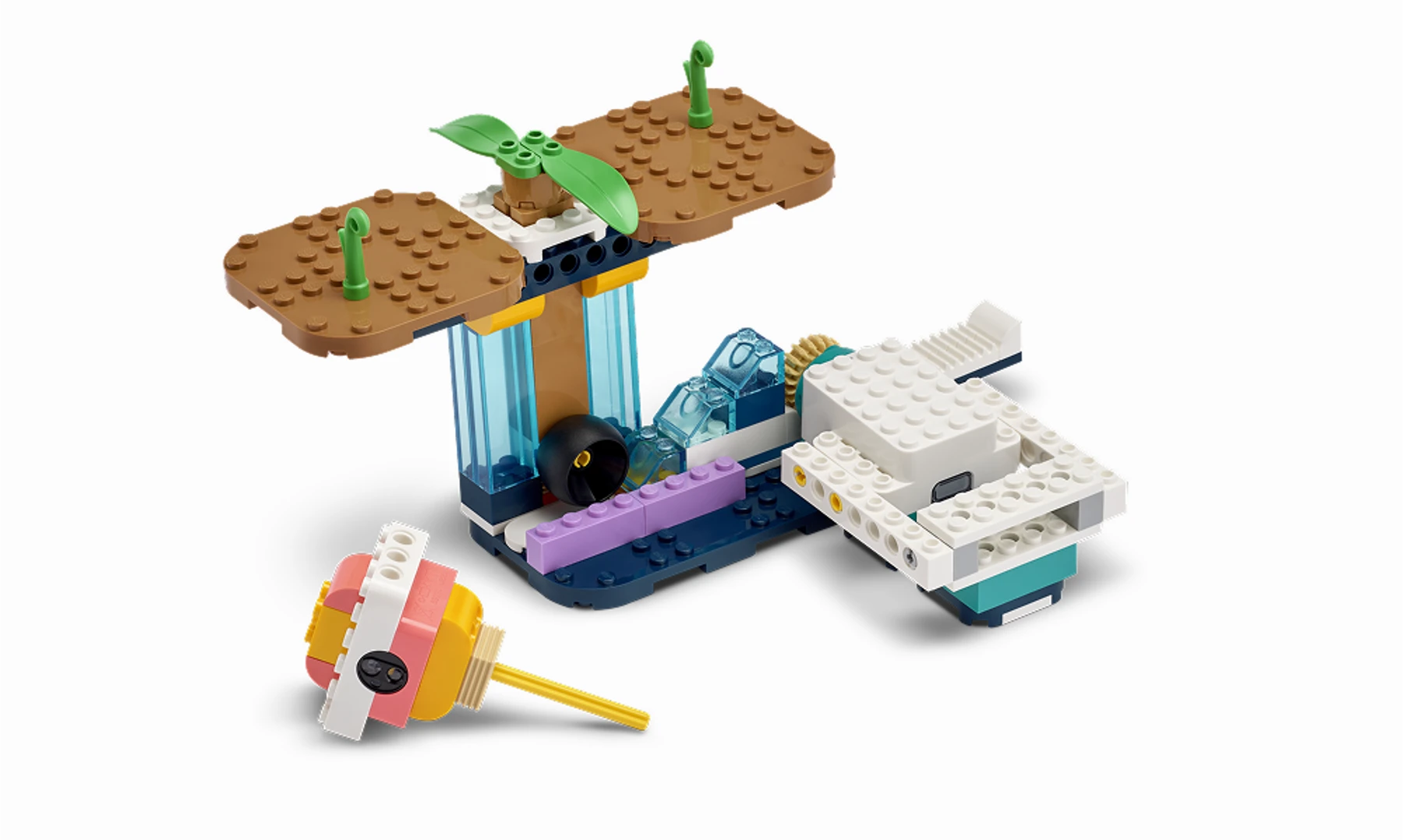
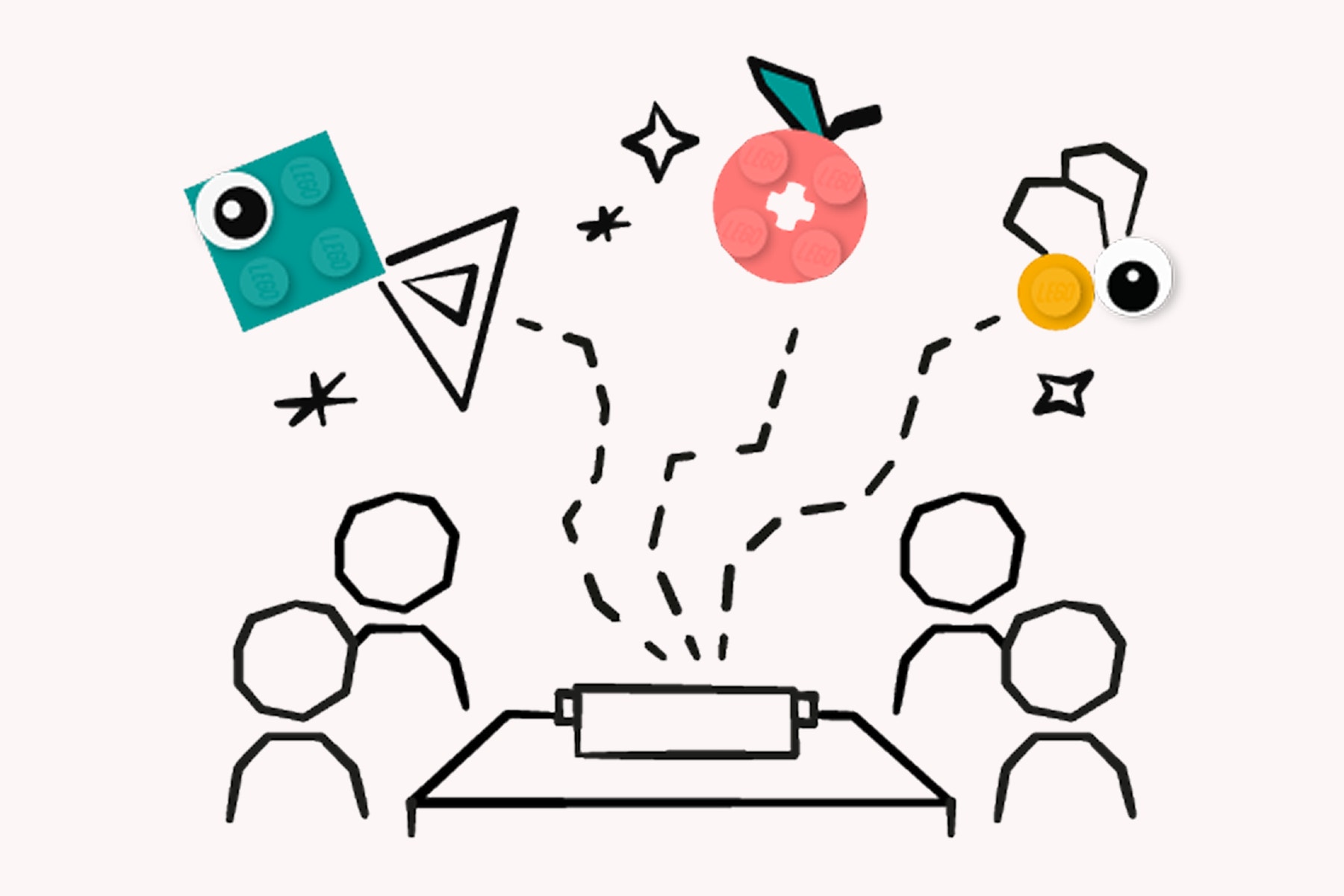
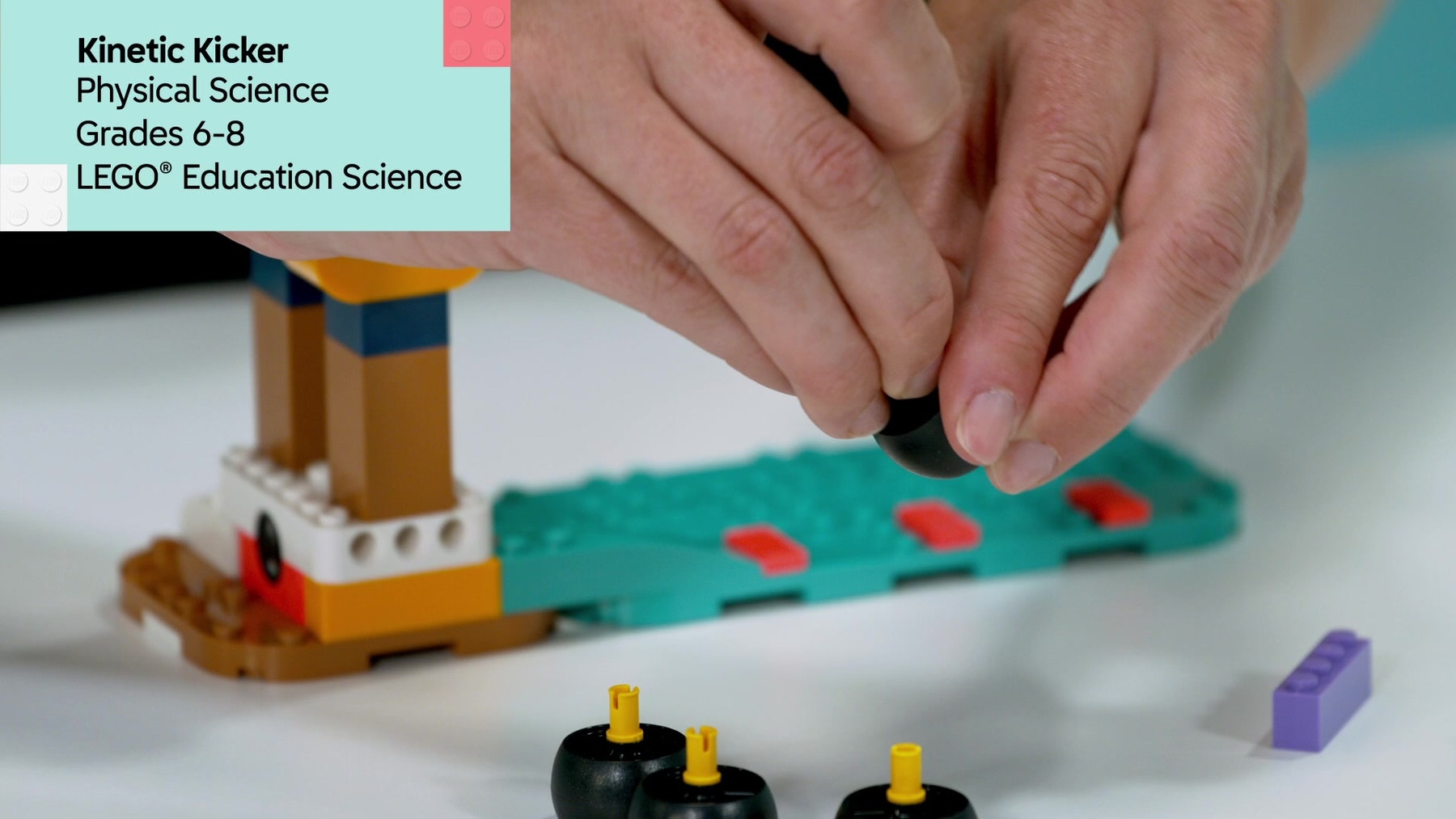
Students will build a cart containing a pusher that uses a rubber band. They will release the rubber band so that a second cart is pushed, enabling them to observe Newton’s third law. Groups will then redesign components of the experiment so that one cart moves as far as possible, while the other moves as little as possible. Afterwards, students will share reflections about their experiment and relate this experience to real-life examples of Newton’s third law. An optional evaluative prompt asks students to explain the components of their experiment and how it models Newton’s third law. Key vocabulary for this lesson includes components and reaction.
| Learning outcomes | Below expectations | Meets expectations | Above expectations |
|---|---|---|---|
| I can describe the parts of an experiment using Newton’s third law. | Students do not correctly describe the action of the pushing cart and reaction of the second cart moving. | Students correctly describe the action of the pushing cart and reaction of the second cart moving. | Students use cause/effect language to correctly describe the action of the pushing (cart), reaction of the second cart moving AND additional reaction of the first cart moving. |
| I can apply the principles of Newton’s third law to solve a given problem. | Students do not successfully use the law of equal action/reaction to redesign the system so the carts move as directed. | Students correctly use the law of equal action/reaction to redesign their system so the second cart moves as far as possible and the first cart moves as little as possible. | Students correctly use the law of equal action/reaction to redesign their system so the collision(s) achieve the given requested results OR modified results that students attempt (e.g., both move as little/far as possible). |
| I can describe the physical properties of the components in my system and relate this to the experiment. | Students do not describe the action/reaction components in their system OR do not relate them to the observed reactions. | Students describe the action/reaction components in their system and how each relates to the observed reactions. | Students accurately describe the action/reaction components in their system and use cause/effect language to specifically explain how each impacts the motion of each cart. |
Newton’s second law states that force equals mass times acceleration.
Newton’s third law states that for every action there is an equal and opposite reaction.
Reason effectively
Use systems thinkin
Task: Students will apply Newton’s third law to design a solution to a problem.
How do aerospace engineers use Newton’s third law to design rockets and space shuttles? Research how this law is applied to solve the problem of getting vehicles into space.
Many types of professionals must apply Newton’s third law regularly in their work. Research how mechanical engineers, physicists and sports scientists use Newton’s third law to experiment, create and innovate.
Science 6-8
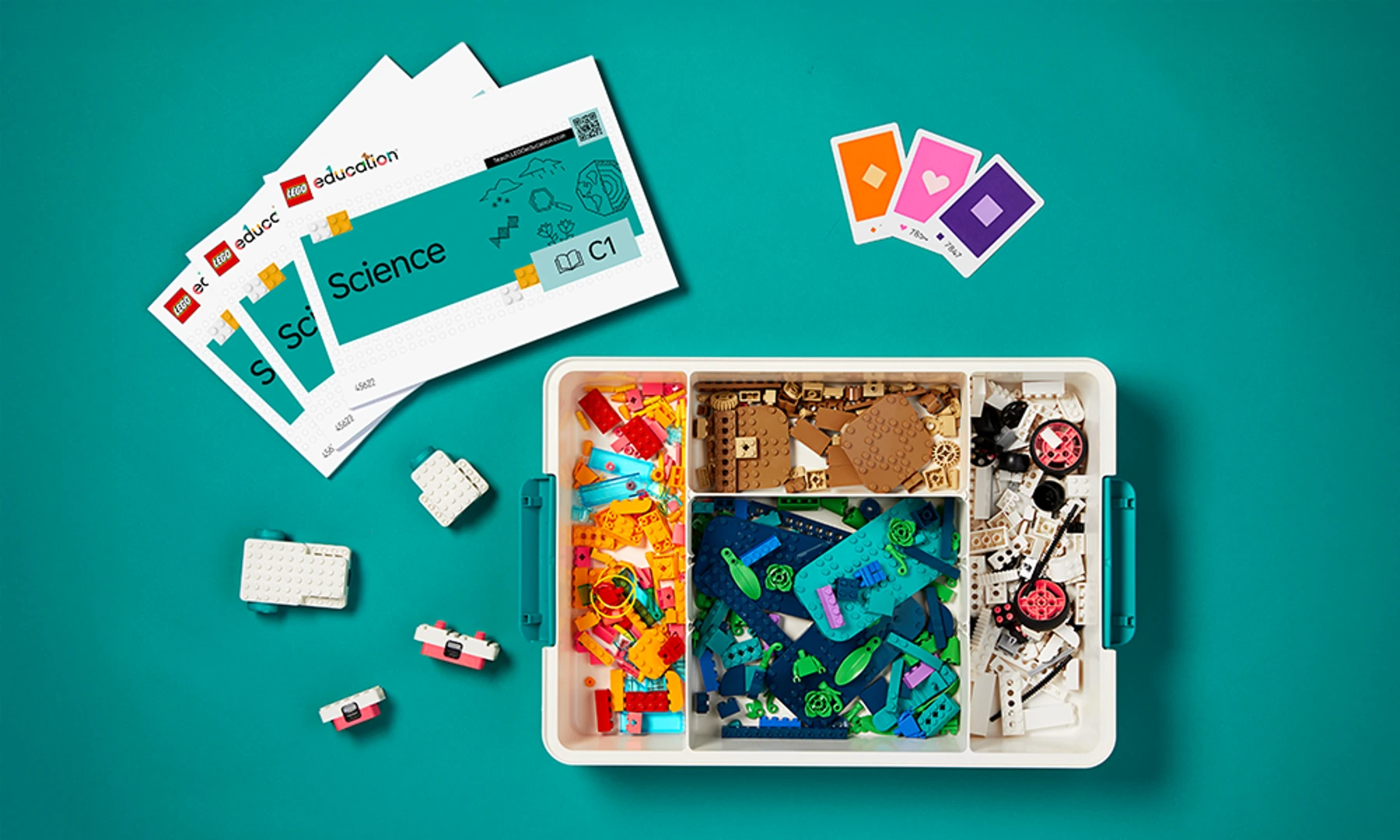
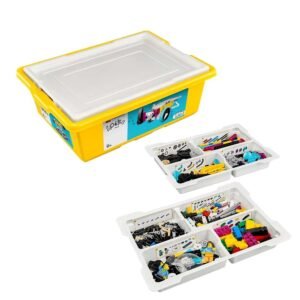
One kit is intended for four students and contains:
Science K-2
Preview a Lesson for Grades K-2
Science K-2
Preview a Lesson for Grades K-2
Science 3-5
Preview a Lesson for Grades 3-5
Science 3-5
Preview a Lesson for Grades 3-5
Science 6-8
Preview a Lesson for Grades 6-8
Hardware Basics
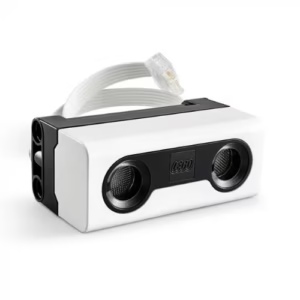
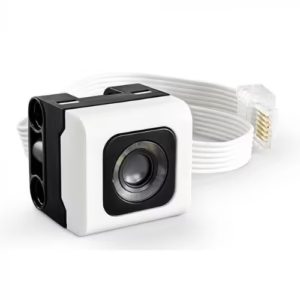
The LEGO® Education Science kits come with a variety of hardware components that enrich the lesson experience. Instructional videos on how to get started and utilize the hardware can be found in the Classroom Presentation for lessons involving hardware.
Push to Go
Used in grade band(s):
Turn to Move
Used in grade band(s):
Wireless Control
Used in grade band(s):
Sensor Meets Motion
Used in grade band(s):
Facilitation Tips
You know your classroom best, but we have a few suggestions to help things click.
Follow the Lesson Flow
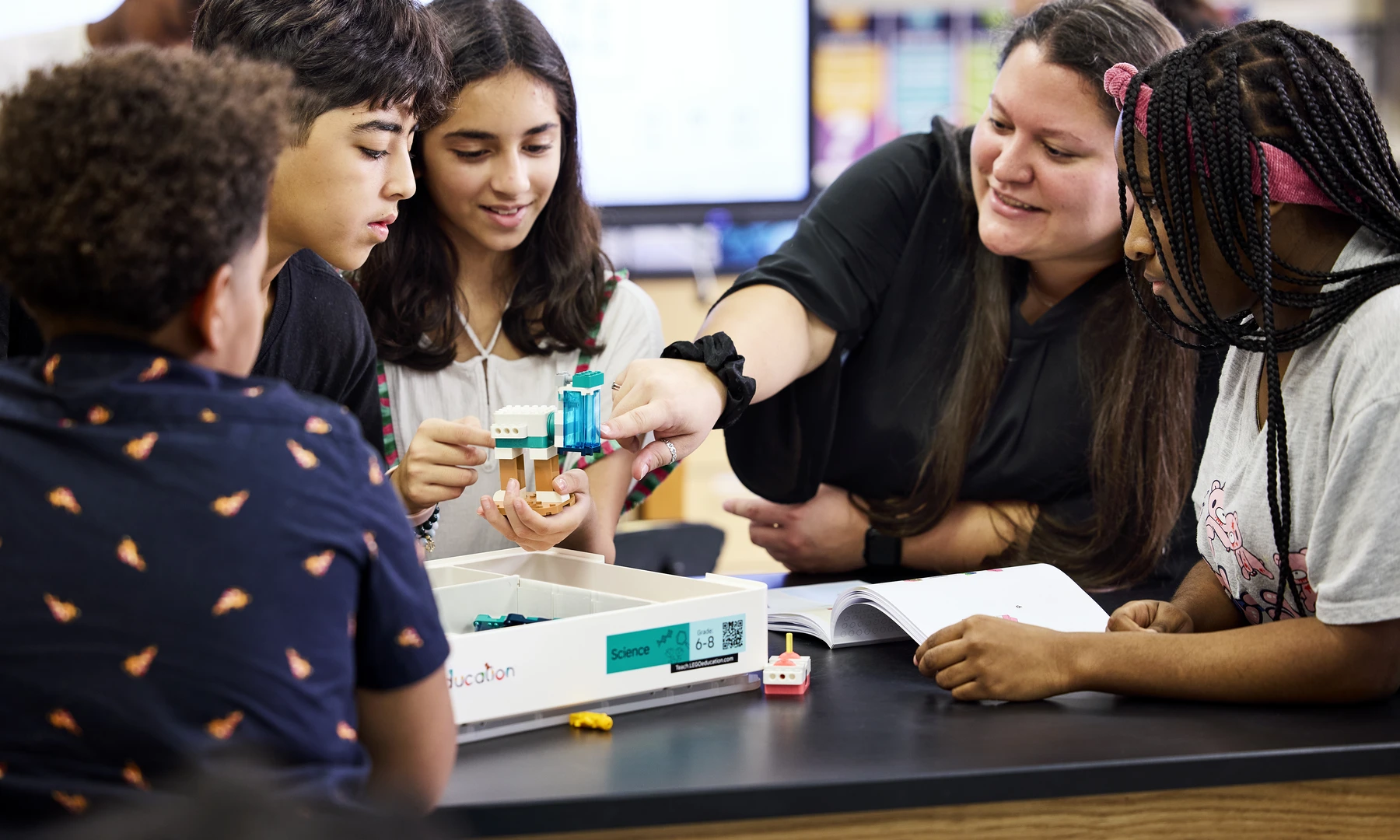
LEGO Education Science follows a 5-step instructional model, guiding students through the phases of ENGAGE, EXPLORE, EXPLAIN, ELABORATE and EVALUATE. Each lesson follows this flow: It starts with an engaging big question and context and then invites student groups to build a LEGO model that leads to a class conversation. Students are then prompted to develop their own model or solution in their group, which they share and connect to real-life examples. An optional evaluative prompt supports formative assessment.

Form Groups for Collaboration
All lessons are designed for groups of four students. If grouping in fours does not work with your class, consider forming groups of three.
Choose Building Locations
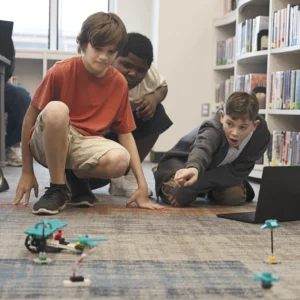
Students can build their models at their desks or on the floor. Choose the space that works best for your classroom and the particular model. Some models are designed to be placed on the lid, driven across the classroom or have other specific building requirements. These will be clearly stated in the lesson overview.
Explore Our Community
For additional facilitation tips and professional development options, visit the LEGO® Education Community.



Reviews
There are no reviews yet.